

Starship Flight 14: SpaceX Prepares for First Orbital Flight and Starlink V3 Deployment


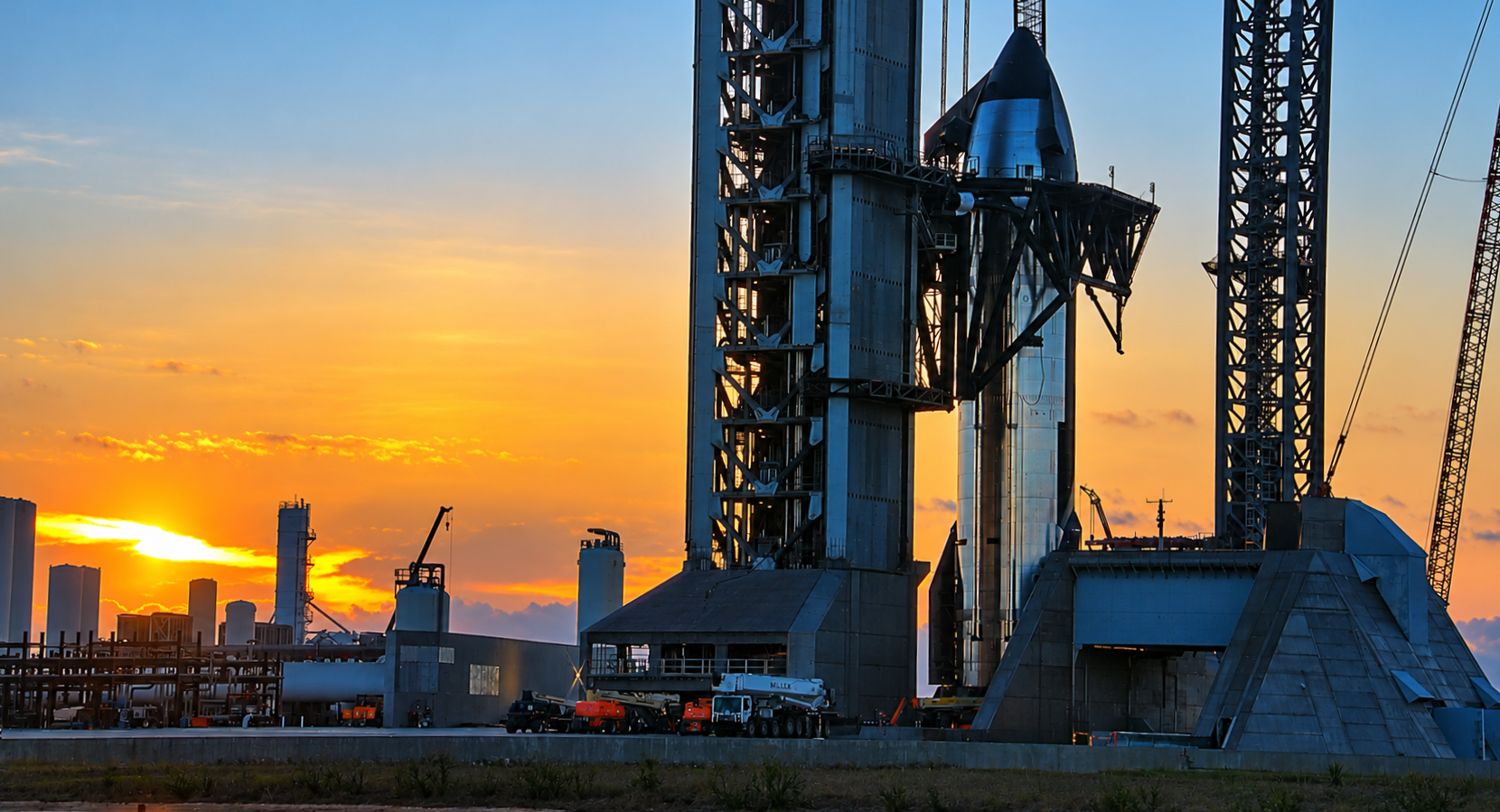
SpaceX is preparing for the 14th flight test of Starship, but this mission could look considerably different from the test flights that came before it.
Flight 14 is expected to mark Starship’s first sustained orbital mission, sending the spacecraft into a stable Low Earth Orbit and keeping it there for nearly 10 hours. The mission is also expected to carry 26 Starlink V3 satellites, further shifting Starship from an experimental launch vehicle toward the operational launch system SpaceX has been working to build for years.
Flight 14 will be the third flight of the new Starship V3 generation, which incorporates substantial changes to both Starship and Super Heavy as SpaceX continues working toward full and rapid reusability.
Starship Goes Orbital
Previous Starship flight tests have primarily followed trajectories designed to bring the ship back into the atmosphere before completing a full orbit.
Flight 14 is expected to change that.
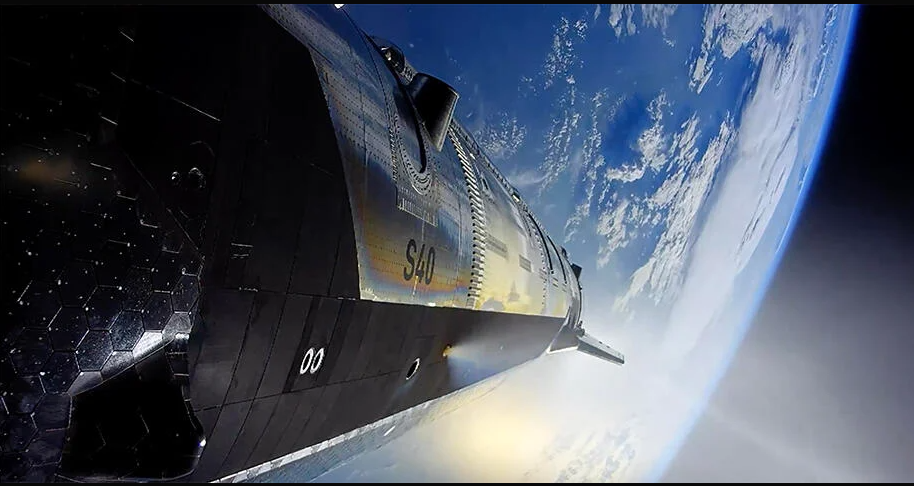
Following launch from Starbase, Texas, Starship is expected to enter an orbit approximately 275 kilometers above Earth. The ship is planned to complete roughly six orbits during a mission lasting nearly 10 hours before performing its return to Earth.
At the end of the mission, Starship is expected to reenter the atmosphere and target a controlled splashdown in the Pacific Ocean west of Chile.
The extended mission will give SpaceX an opportunity to operate Starship in the space environment for substantially longer than previous flight tests while gathering data on the vehicle’s systems before its eventual return through the atmosphere.
It also represents an important demonstration of something Starship was ultimately built to do: deliver useful payloads to orbit.
26 Starlink V3 Satellites Head to Orbit
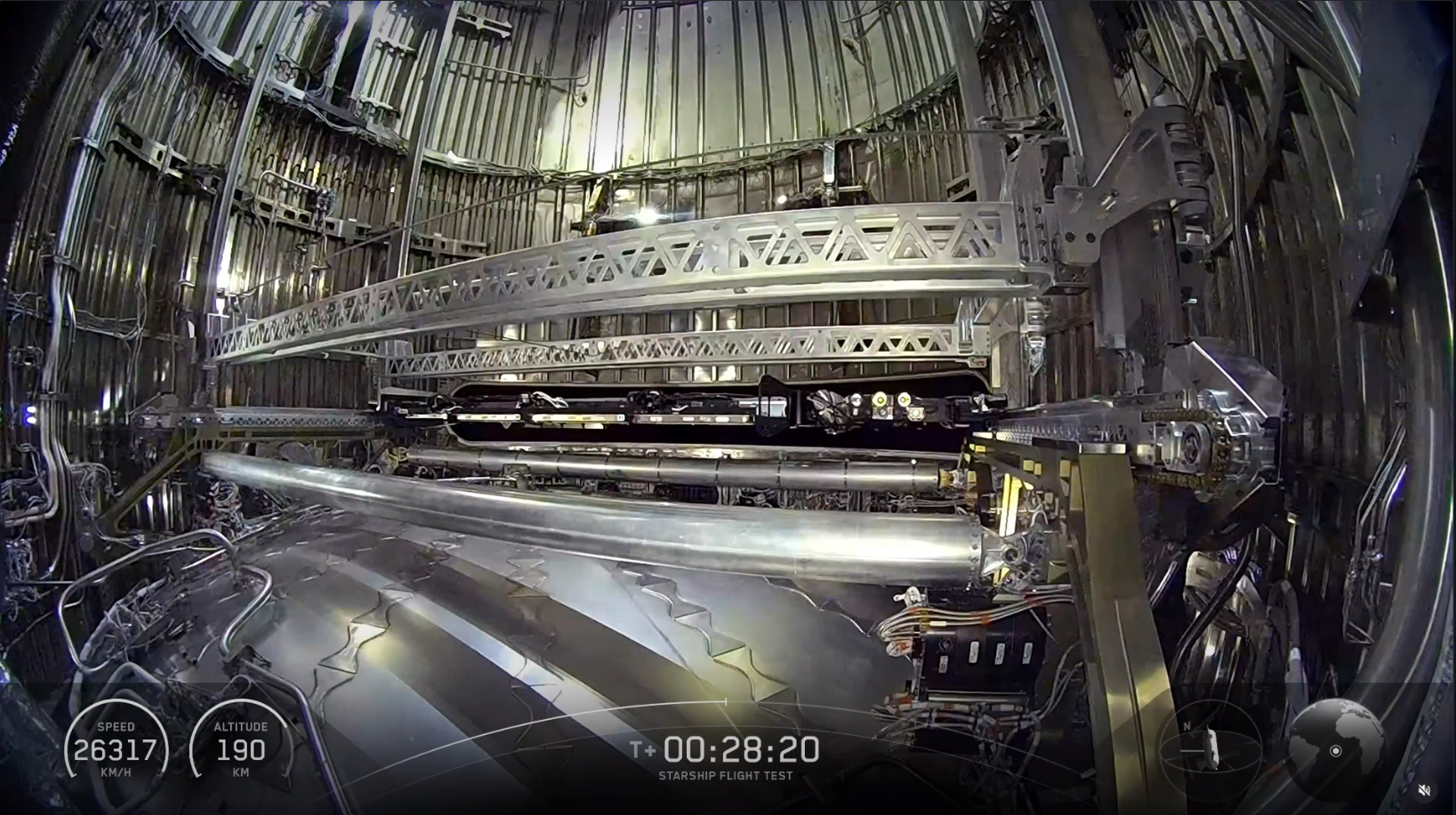
Inside Starship will be 26 next-generation Starlink V3 satellites.
SpaceX has designed Starlink V3 specifically with Starship in mind. The satellites are significantly more capable than previous generations and are intended to dramatically increase the amount of network capacity SpaceX can deploy with each launch.
According to SpaceX, each Starlink V3 satellite is designed to provide approximately 1 terabit per second (Tbps) of downlink capacity.
That means the 26 satellites aboard Flight 14 could represent roughly 26 Tbps of additional potential downlink capacity once operational.
SpaceX has said that future Starship missions could eventually carry as many as 60 Starlink V3 satellites at a time. At that scale, a single Starship launch could deploy more than 20 times the Starlink downlink capacity currently delivered by a Falcon launch.
Flight 14, however, will begin with 26.
Deploying the satellites into a stable orbit will be an important test not only of Starship itself, but also of the spacecraft's payload deployment system and its ability to begin taking over missions currently performed primarily by Falcon 9.
Super Heavy Heads Back to the Gulf
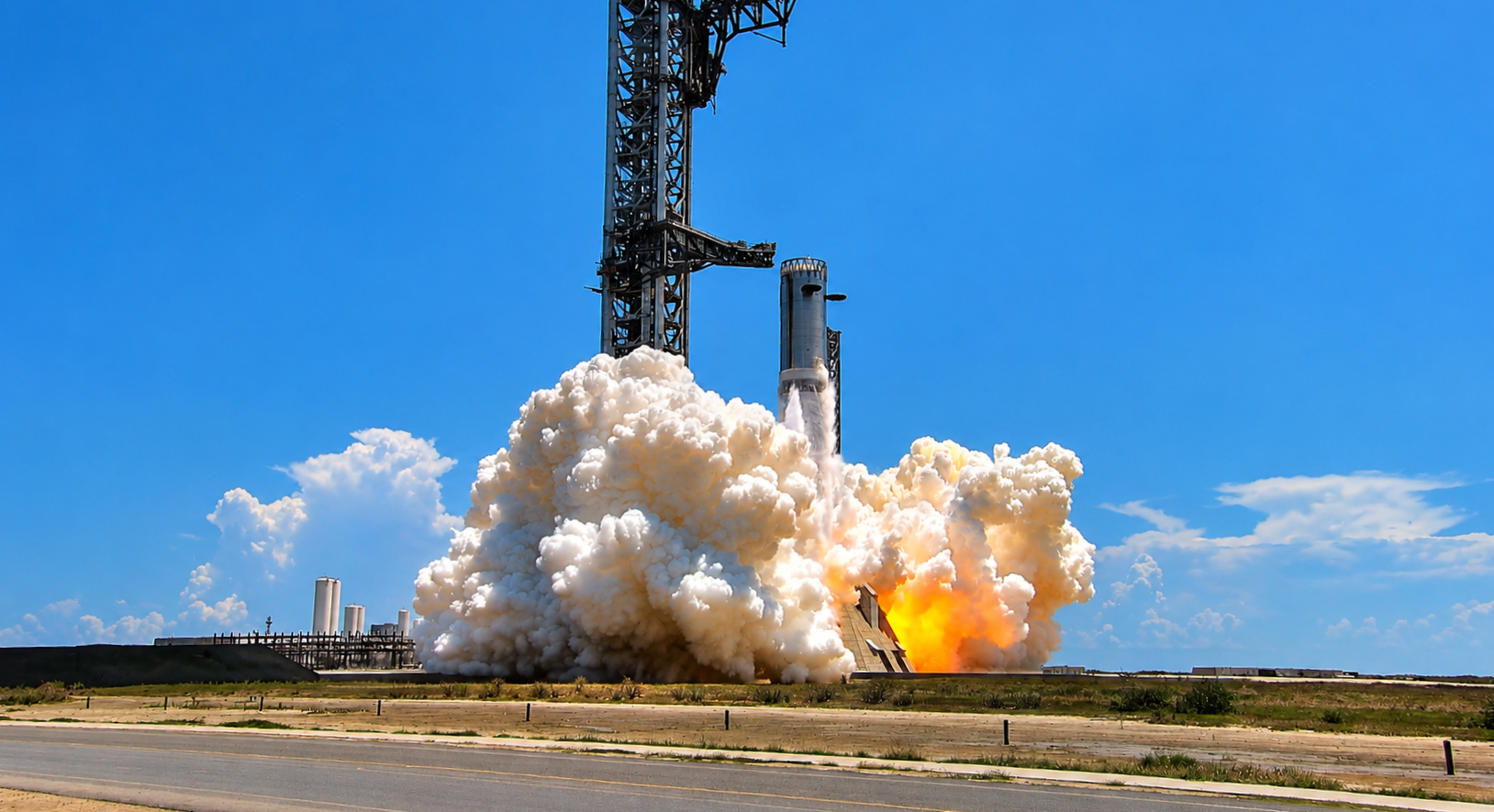
While Starship continues into orbit, Super Heavy will have a much shorter mission.
The booster’s primary objectives are expected to be a successful launch and ascent, followed by stage separation, a boostback burn and landing burn.
Rather than returning to Starbase for a catch attempt, the booster is expected to target an offshore landing location in the Gulf.
This gives SpaceX another opportunity to collect data on the V3 Super Heavy design and demonstrate the sequence required to eventually recover boosters back at the launch site.
The V3 Super Heavy incorporates substantial changes compared with earlier boosters, including redesigned grid fins, an integrated hot-stage structure and other hardware modifications intended to improve reliability and support future recovery and rapid reuse.
A successful Flight 14 booster profile would therefore mean completing the entire sequence from liftoff through the final landing burn over the Gulf.
A Different Kind of Starship Test
Flight 14 could represent an important transition in the Starship development program.
For years, Starship flight tests have primarily focused on answering fundamental questions: Can the vehicle survive ascent? Can Starship successfully separate from Super Heavy? Can the booster perform its return burns? Can the ship survive atmospheric reentry?
Those objectives remain important, but Flight 14 adds something new.
Starship now has a job to do in orbit.
The spacecraft is expected to climb to approximately 275 kilometers, deploy 26 Starlink V3 satellites, remain in space for nearly 10 hours and circle Earth approximately six times before returning for a Pacific splashdown.
Meanwhile, Super Heavy will attempt another complete ascent and recovery sequence over the Gulf.
If those objectives are completed, Flight 14 will provide SpaceX with considerably more than another successful test flight. It will demonstrate several of the capabilities required for Starship to begin operating as a practical orbital transportation system.
And for Starlink, the implications could be just as significant.
Starship's enormous payload capacity is a key part of SpaceX's plan for deploying the much larger and more capable Starlink V3 satellites. SpaceX says Starship is ultimately designed to carry more than 100 metric tons to orbit, providing substantially greater payload capability than the company's existing Falcon fleet.
Flight 14's 26 satellites would be only the beginning.
Future Starships could carry much larger batches, potentially allowing SpaceX to add tens of terabits of network capacity during a single launch.
For Flight 14, however, the focus will be on proving that the pieces can work together: launch Starship, recover the booster profile, reach stable orbit, deploy operational payloads, remain in space for hours, and bring Starship safely back through the atmosphere.
After years of increasingly ambitious flight testing from Starbase, Flight 14 could mark the point where Starship begins making the transition from testing how to reach space to demonstrating what it can do once it gets there.
0 Comments