

SpaceX Launches Starship on its Thirteenth Test Flight


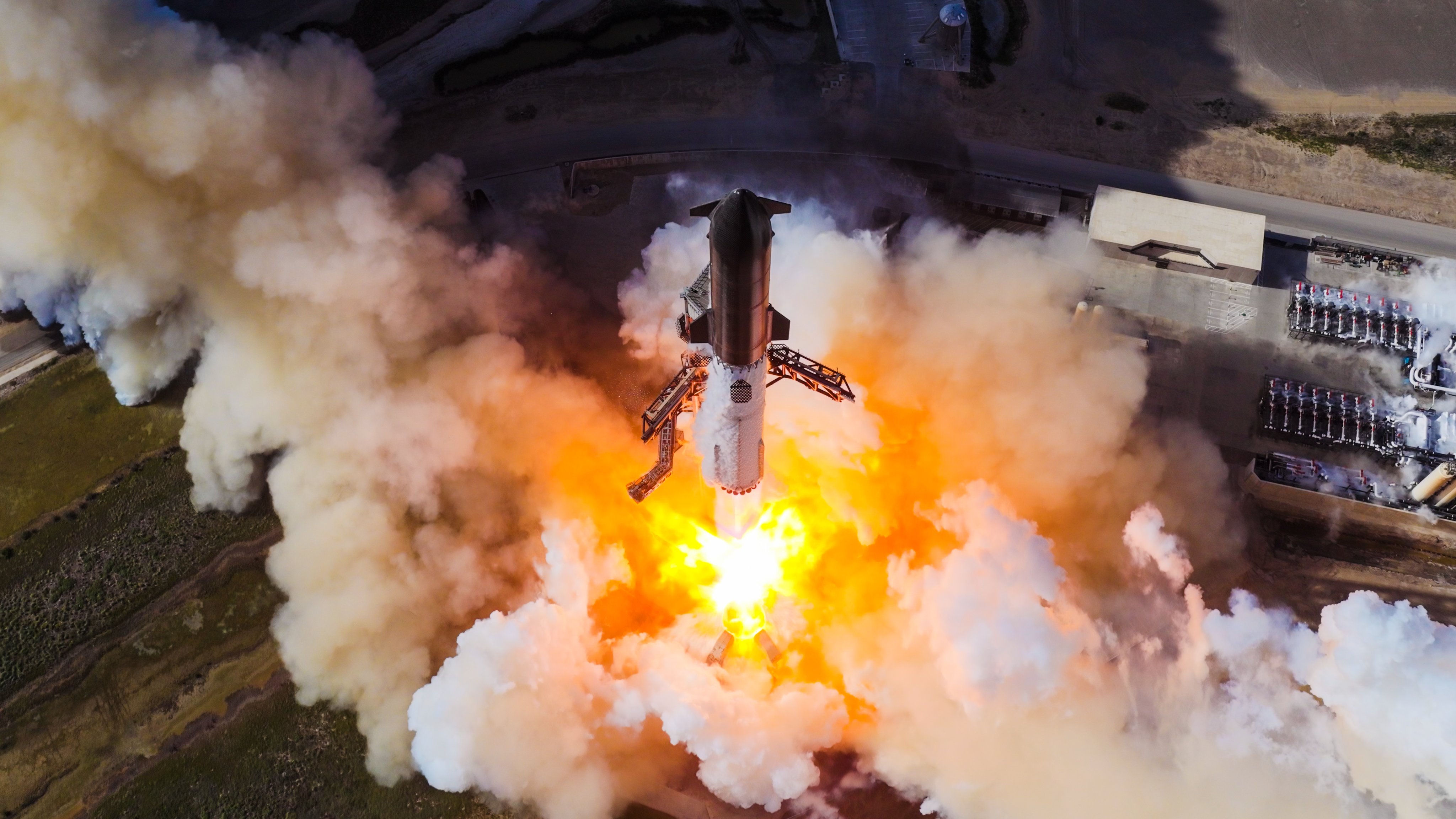
Starship took to the skies over Starbase on its thirteenth test flight
Following a successful countdown, Starship soared into the Texas sky on 33 Raptor 3 engines at the highest liftoff thrust yet.
The ship passed through Max Q with flying colors, and successfully continued a nominal ascent all the way to staging.
The ship and booster staging proceeded as planned, with five engines on Superheavy remaining lit while the six Raptors on ship were ignited, kicking the booster into a flip for its boostback burn.
The booster successfully relit all thirty three engines before cutting back to thirteen, then three engines, for a targeted, extremely fast booster return a couple of miles off the coast of Starbase. The boostback burn ended sooner than expected, placing the booster on a trajectory about 20 kilometers off shore.
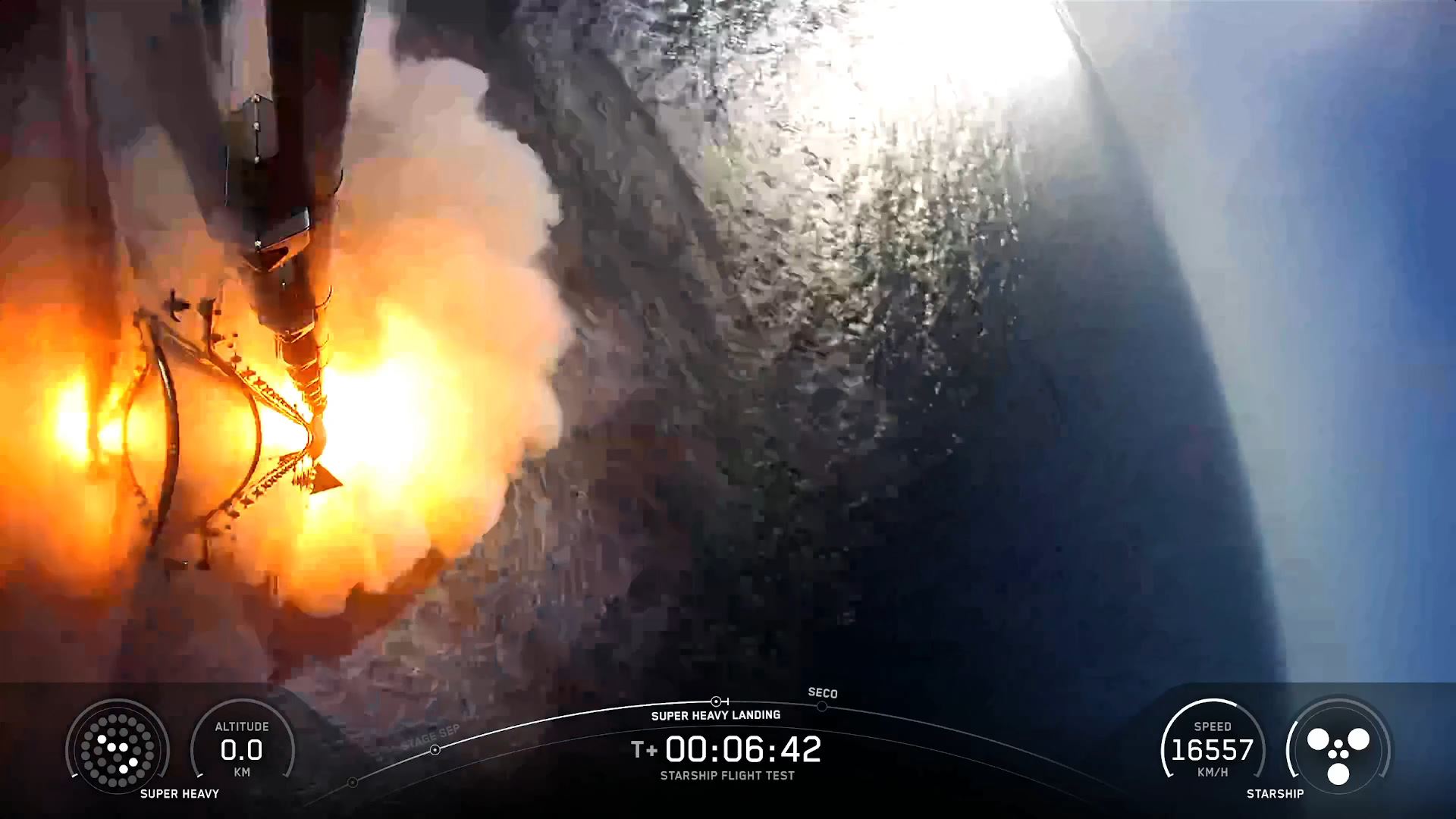
Booster 20 successfully made it through reentry, but when the engines were relit for the landing burn, several did not light, and others shut down soon after, leaving just a handful of engines to try and slow the booster before it hit the water at high speed, and exploded on impact.
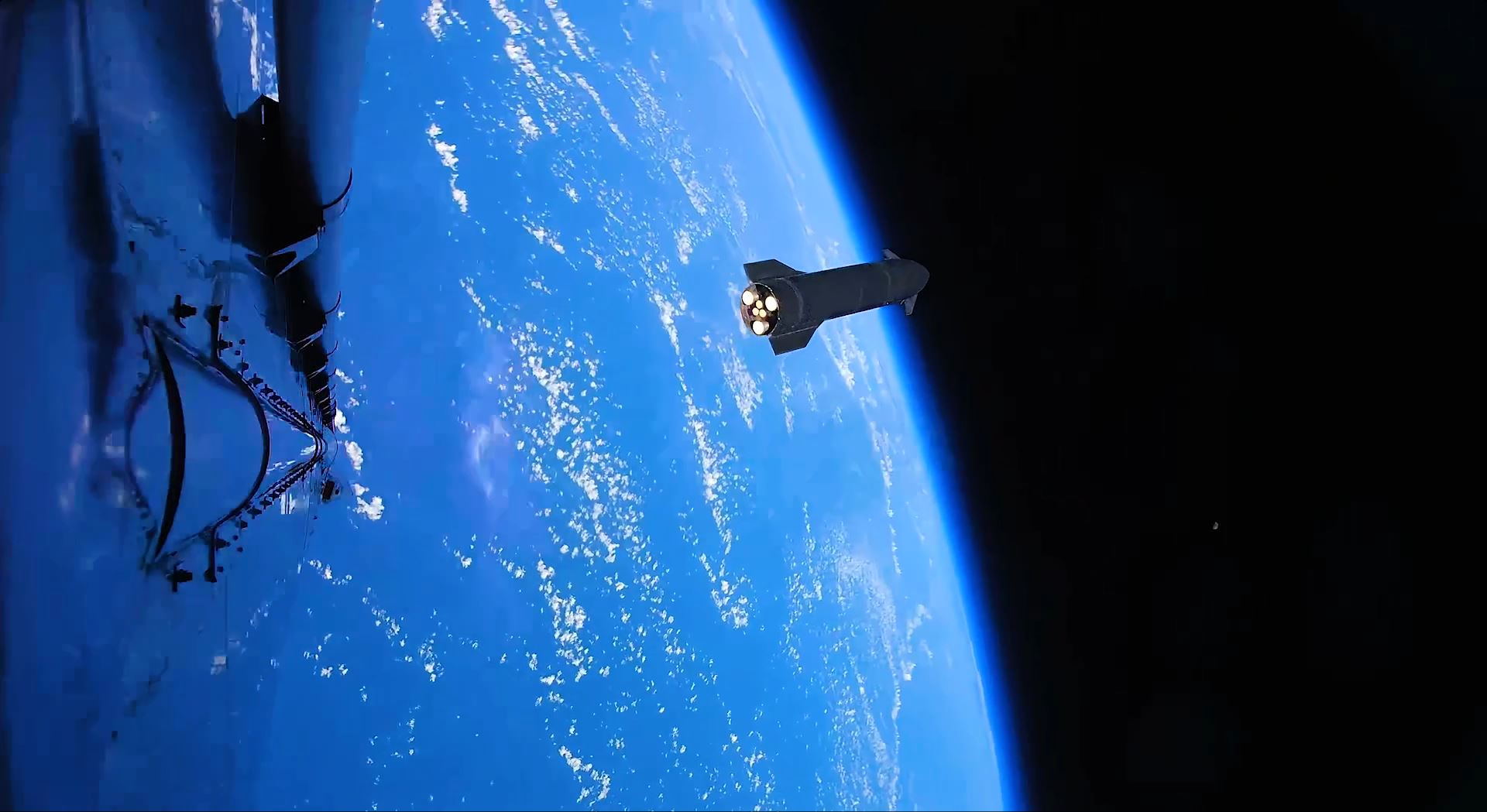
Meanwhile, Starship 40 successfully completed its ascent burn with a nominal orbital insertion and the ship soon began reorienting itself for Starlink deployment.
The deployment sequence began as scheduled and went off without a hitch. Each of the Starlink satellites were successfully sent out of the dispenser, with the last of the bunch illuminating the ship with powerful spotlights while the ship actuated its flaps, inspecting Starship 40 and its heat shield after ascent.
The Starlink satellites themselves worked flawlessly, with all of them making contact with ground control within five minutes, making use of the laser links for connectivity, and testing out the onboard systems before they reentered along with Starship on its suborbital trajectory.
With its payload deployed, Ship 40 successfully executed an in-space relight of one of its sea level raptors, demonstrating essential capabilities for orbital maneuvers and deorbit burns. With the demonstration complete, the ship began orienting to its reentry attitude. The reentry itself provided an amazing technicolor display of plasma flowing around the ship as it gradually slowed down in the upper atmosphere.
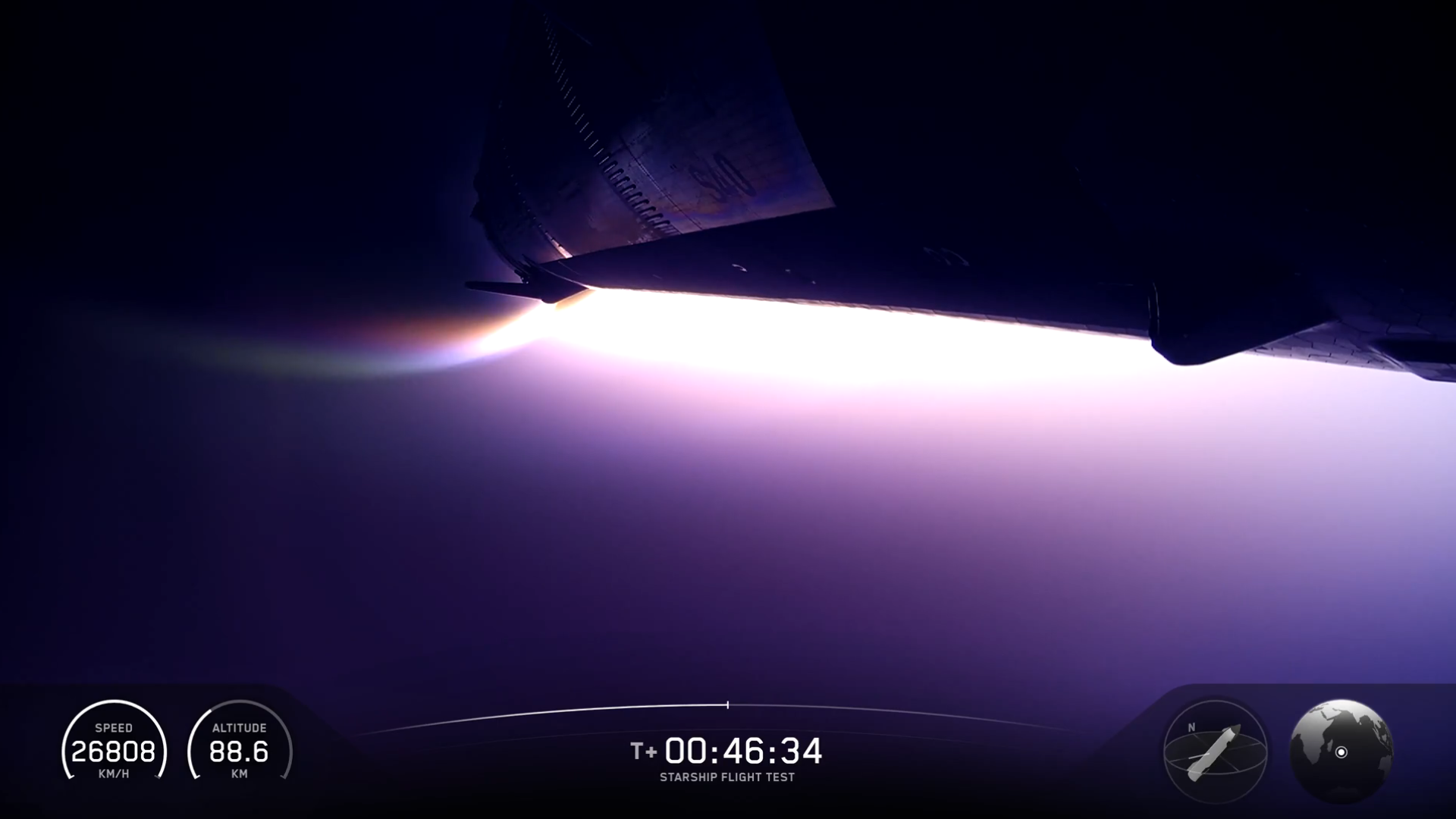
Once the ship was past peak aerodynamic pressure it began its banking turn, simulating alignment with Tower 2 at Starbase.
Finally, the ship relit the three sea level engines for its flip maneuver, cutting down to two and then a single engine for a soft splashdown in the Indian Ocean.
Amazingly, the ship survived the splashdown in one piece, staying intact, afloat, and broadcasting telemetry and video after shutdown! This is the first time a Starship has completed its mission without breaking apart and exploding, giving crews an unprecedented opportunity to examine the state of the vehicle and its systems after landing.
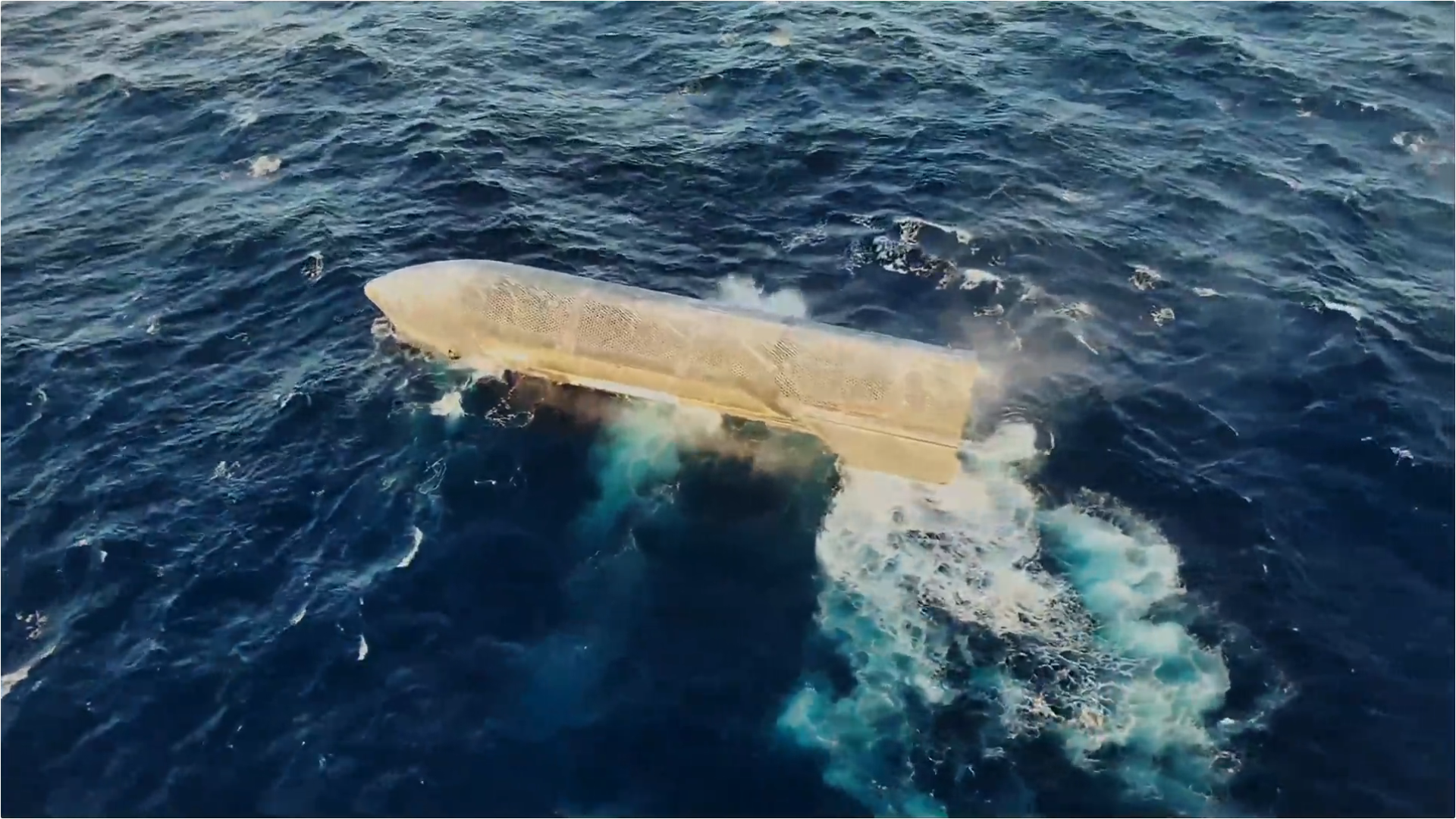
Post-splashdown inspections showed a very healthy looking ship, with some notable hot spot erosion on a few of the tiles. Congratulations SpaceX on a spectacular, one of a kind mission!
0 Comments