

NASA Selects Blue Origin for $700 Million Mars Communications Network


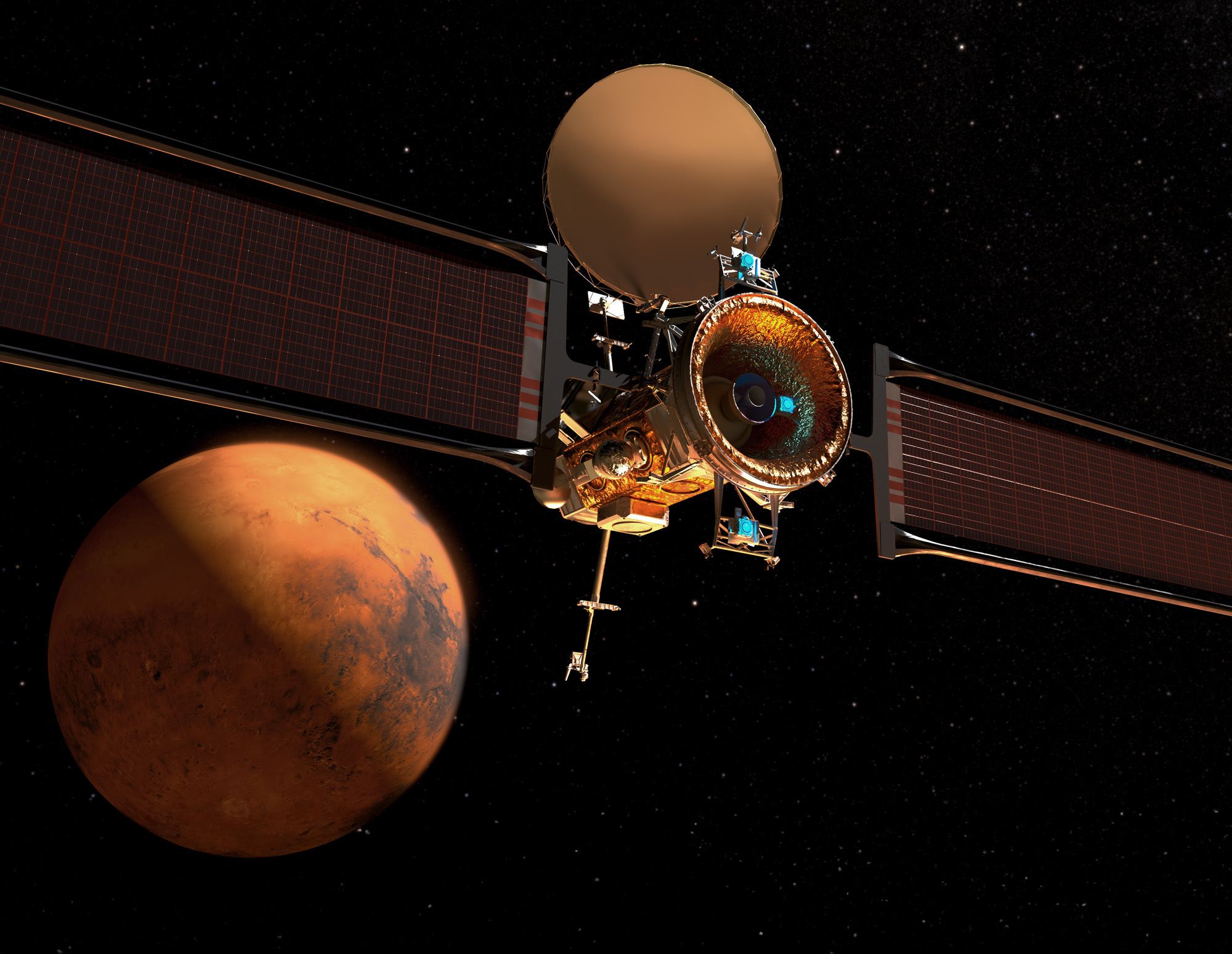
NASA Selects Blue Origin Mars Communications Network
NASA has awarded Blue Origin a contract to develop a new telecommunications network around Mars, creating a high-capacity communications and navigation system designed to support the agency’s expanding robotic and future human exploration of the Red Planet.
The firm-fixed-price contract, announced Tuesday, has a maximum potential value of approximately $700 million and calls for Blue Origin to deliver a high-performance Mars telecommunications orbiter to NASA no later than Dec. 31, 2028.
Under the contract, Blue Origin will design, develop, integrate, launch and operate the Mars Telecommunications Network as part of NASA’s broader space communications and navigation infrastructure.
At the center of the network will be a dedicated telecommunications spacecraft placed into orbit around Mars. The orbiter will relay science data, imagery, navigation information and critical mission communications between spacecraft operating on the Martian surface, vehicles in orbit and controllers back on Earth.
The project represents a significant step in NASA’s effort to extend reliable communications and navigation infrastructure beyond Earth and the Moon, laying groundwork for a larger and more sustained presence at Mars in the decades ahead.
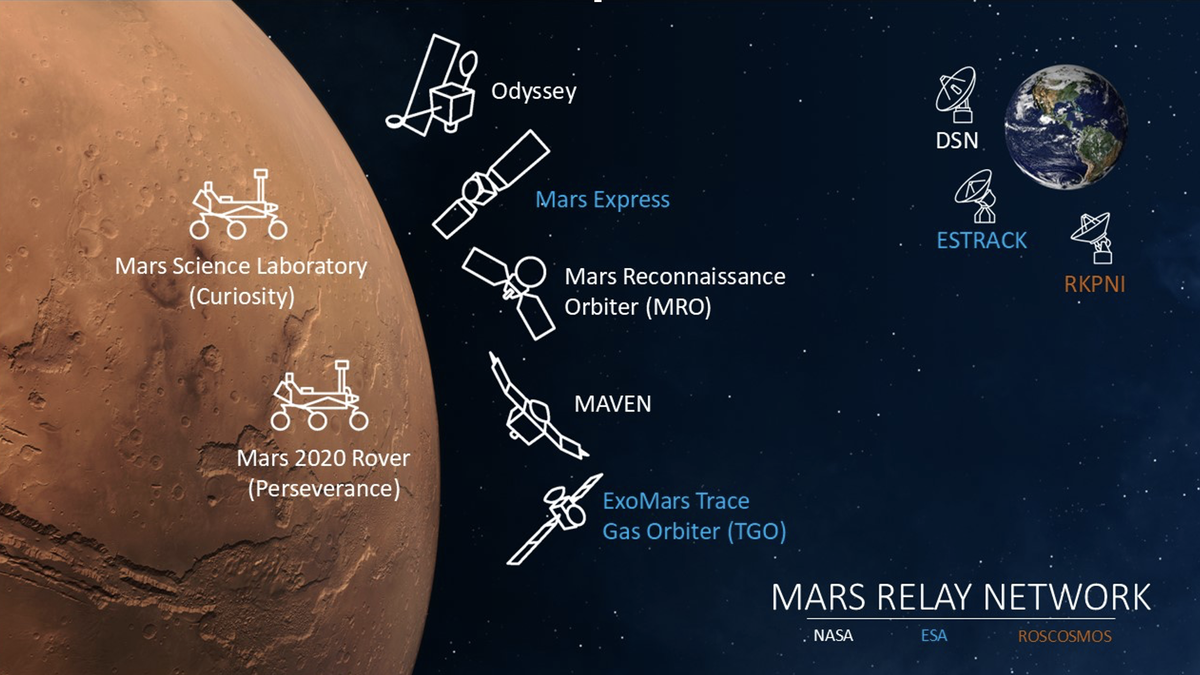
NASA currently relies heavily on existing Mars orbiters to relay data from surface missions back to Earth. As more spacecraft arrive at Mars and the amount of scientific data being collected increases, the agency expects communications demands to grow substantially.
A dedicated telecommunications network would provide greater bandwidth, improved reliability and increased operational flexibility while reducing reliance on individual science spacecraft to also serve as communications relays.
The network is expected to be operational at Mars by 2030 and will support both existing spacecraft and future missions to the Red Planet.
The effort also fits into NASA’s broader Moon-to-Mars exploration strategy. Through the Artemis program, the agency is working to return astronauts to the Moon and establish capabilities that could eventually be used for human missions to Mars.
Robotic spacecraft will continue to play a major role in preparing for those missions, gathering scientific information, identifying potential landing areas and testing technologies that could eventually support astronauts.
As the number and complexity of Mars missions increase, so will the amount of information that must be transmitted between Mars and Earth. NASA is therefore pursuing a purpose-built communications architecture capable of supporting multiple missions simultaneously while providing considerably greater capacity than existing systems.
NASA issued its request for proposals for the Mars Telecommunications Network in May.

The approach follows a broader shift by the agency toward purchasing services and capabilities from commercial companies rather than developing and operating every element of its exploration infrastructure internally.
NASA has increasingly relied on commercial partners for transportation and communications services in Earth orbit and is pursuing similar partnerships as it develops infrastructure around and on the Moon.
The Mars Telecommunications Network extends that strategy farther into the solar system, using private-sector spacecraft and communications capabilities while allowing NASA to concentrate more resources on exploration and scientific research.
The network will be managed through NASA’s Space Communications and Navigation program, commonly known as SCaN, which oversees communications and navigation services supporting NASA missions throughout space.
Once operational, the Blue Origin-built system could become a central communications hub for a new generation of Mars missions, providing the data infrastructure needed as NASA and its partners move toward increasingly complex robotic exploration and, eventually, human missions to the Red Planet.
Photo credits: Blue Origin/NASA
0 Comments