

NASA Awards SpaceX $946 Million for Three More Crew Dragon Missions


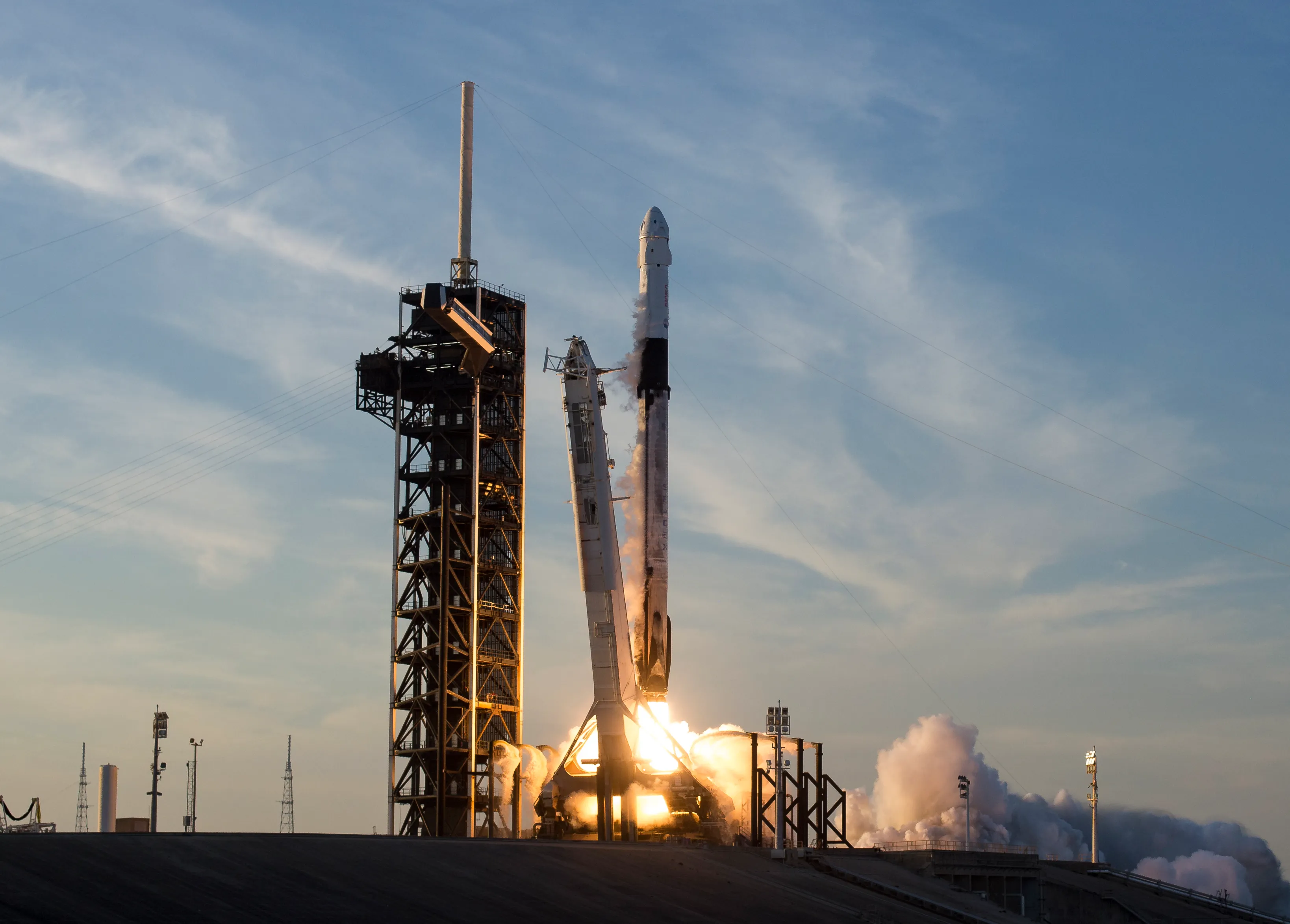
NASA announced Friday, September 18, that it has awarded SpaceX three additional crew rotation missions to the International Space Station under a $946 million modification to the company’s Commercial Crew Transportation Capability (CCtCap) contract. The new missions — Crew-15, Crew-16 and Crew-17 — bring the total number of SpaceX missions ordered under the Commercial Crew contract to 17 and extend NASA’s planned use of Crew Dragon through the closing years of the International Space Station program.
According to NASA, the contract modification includes the missions’ ground operations, launches, on-orbit activities, return and recovery operations, cargo transportation and Dragon’s ability to serve as a lifeboat while docked to the station. The three missions have readiness dates spanning 2027 and 2028, while the overall period of performance extends through 2030.
With the latest award, the total value of SpaceX’s CCtCap contract increases to approximately $5.92 billion.
From Commercial Crew Contender to NASA Workhorse
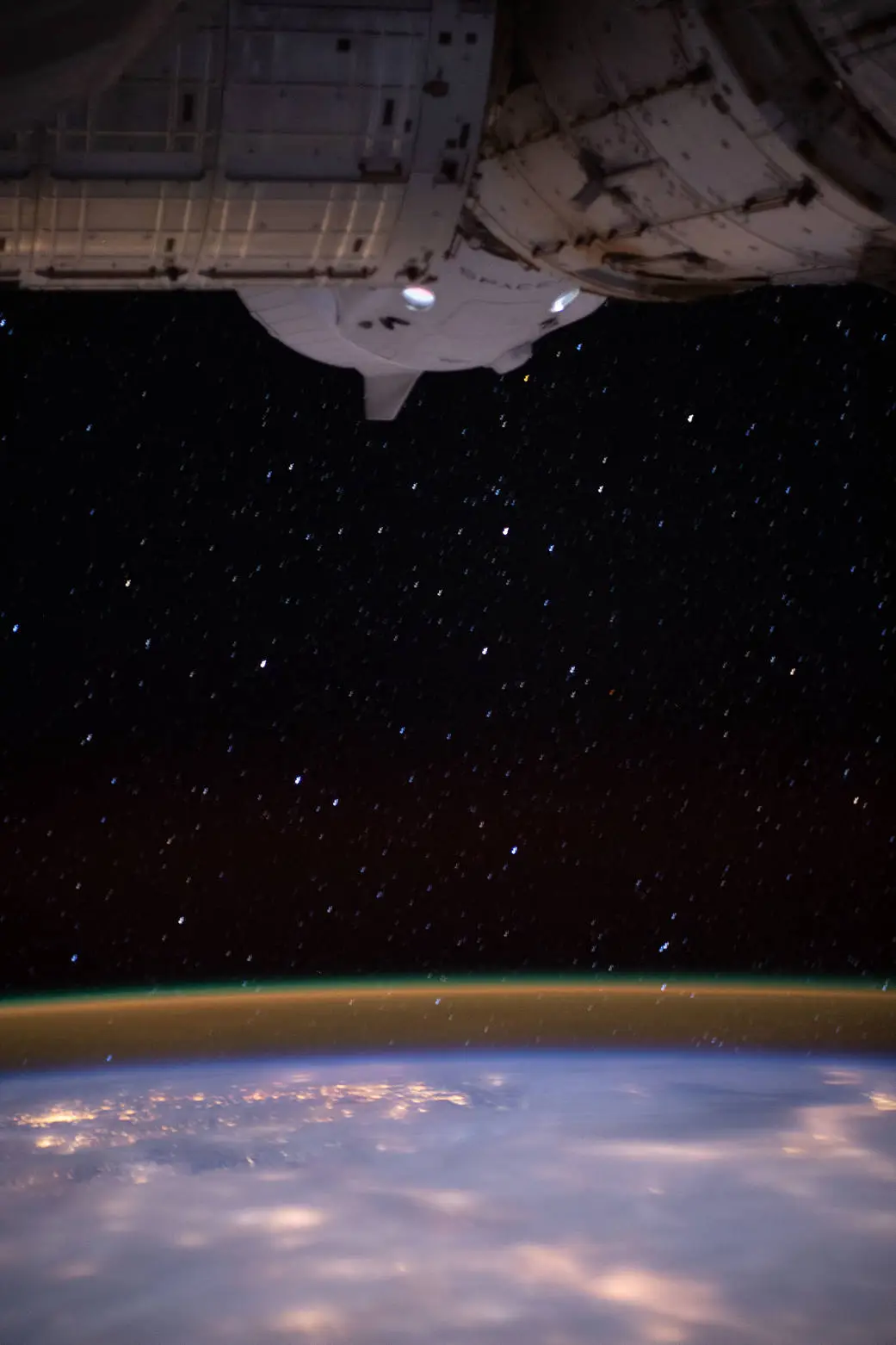
NASA originally selected both SpaceX and Boeing in September 2014 to develop independent U.S. crew transportation systems following the retirement of the Space Shuttle. At the time, Boeing received a Commercial Crew contract with a maximum potential value of approximately $4.2 billion, while SpaceX received a contract valued at up to $2.6 billion. The goal was to establish two commercially operated spacecraft capable of safely carrying astronauts between the United States and the International Space Station. SpaceX ultimately became the first of the two providers to achieve NASA certification.
Crew Dragon was certified for operational astronaut transportation in November 2020, following the successful Demo-2 crewed test flight earlier that year. Since then, Dragon and the Falcon 9 launch vehicle have become a regular part of NASA’s crew rotation schedule.
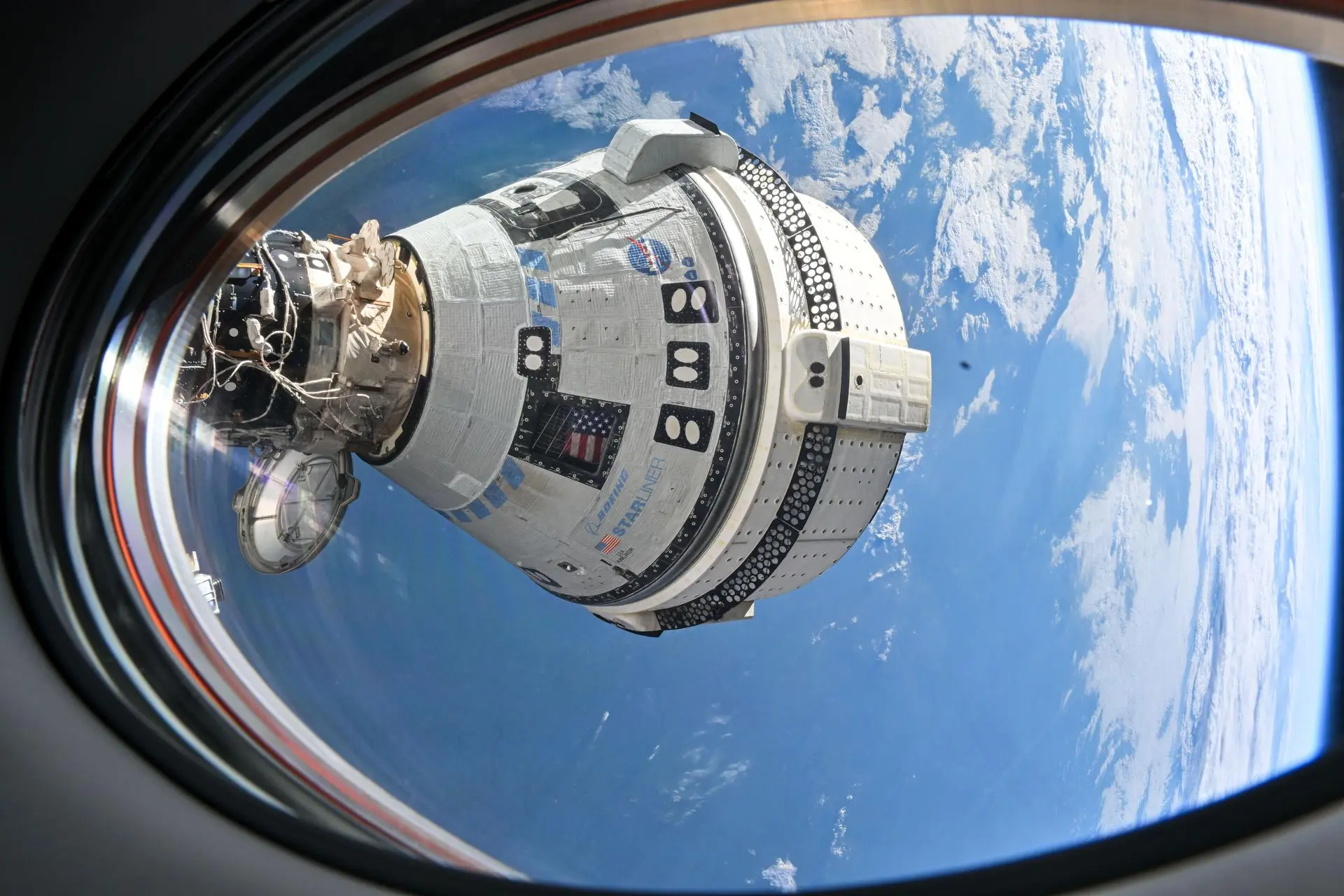
The additional SpaceX missions also come as NASA and Boeing continue working toward certification of the CST-100 Starliner. Unlike Crew Dragon, Starliner has not yet been certified for regular NASA crew rotation missions. Boeing’s June 2024 Crew Flight Test launched NASA astronauts Butch Wilmore and Suni Williams to the International Space Station, but propulsion system problems and helium leaks encountered during the mission led NASA to return Starliner to Earth without its crew.
The spacecraft successfully landed autonomously in September 2024, while Wilmore and Williams later returned aboard SpaceX’s Crew-9 Dragon in March 2025. NASA subsequently conducted an extensive investigation into the flight, and in the agency's final investigation report, released in February 2026, NASA identified a combination of hardware failures, qualification gaps and organizational issues that contributed to the problems encountered during the mission. NASA classified the Crew Flight Test as a Type A mishap, its highest mishap classification, because of the potential severity of the situation, even though the spacecraft ultimately completed its return safely.
NASA and Boeing are continuing work on the spacecraft and the corrective actions required before Starliner can carry astronauts operationally. Starliner's next mission, designated Starliner-1, is now planned as an uncrewed cargo flight to the International Space Station. NASA currently lists the launch date as under review while teams continue resolving technical issues and completing work stemming from the 2024 flight test.
NASA's Office of Inspector General reported in June that Starliner is unlikely to receive human-rating certification before 2027 at the earliest. NASA has not abandoned the goal of maintaining two independent U.S. commercial crew systems, and the agency specifically noted when announcing the new SpaceX missions that the additional flights help maintain access to the station while NASA continues working with two commercial crew partners.
The timing of the award is increasingly important as NASA approaches the final years of International Space Station operations. A June report from NASA's Office of Inspector General found that NASA did not previously have enough contracted commercial crew flights to fully support station operations through 2030, and would need to purchase additional missions from SpaceX or Boeing. The Crew-15, Crew-16 and Crew-17 award addresses part of that requirement.
NASA continues to plan for operations aboard the International Space Station through 2030 as the agency simultaneously prepares for the transition toward commercially operated destinations in low Earth orbit. The station itself is expected to be decommissioned following the end of its operational life, placing increased importance on maintaining reliable transportation during its remaining years. That makes Crew Dragon more than simply another spacecraft in NASA's launch manifest. Each Dragon remains attached to the station for the duration of its crew rotation and acts as an emergency return vehicle for its astronauts. NASA's new $946 million award therefore buys not only three launches, but the complete transportation and on-orbit support infrastructure required for those crews.
0 Comments