

Artemis II and its Parallels to Apollo VIII


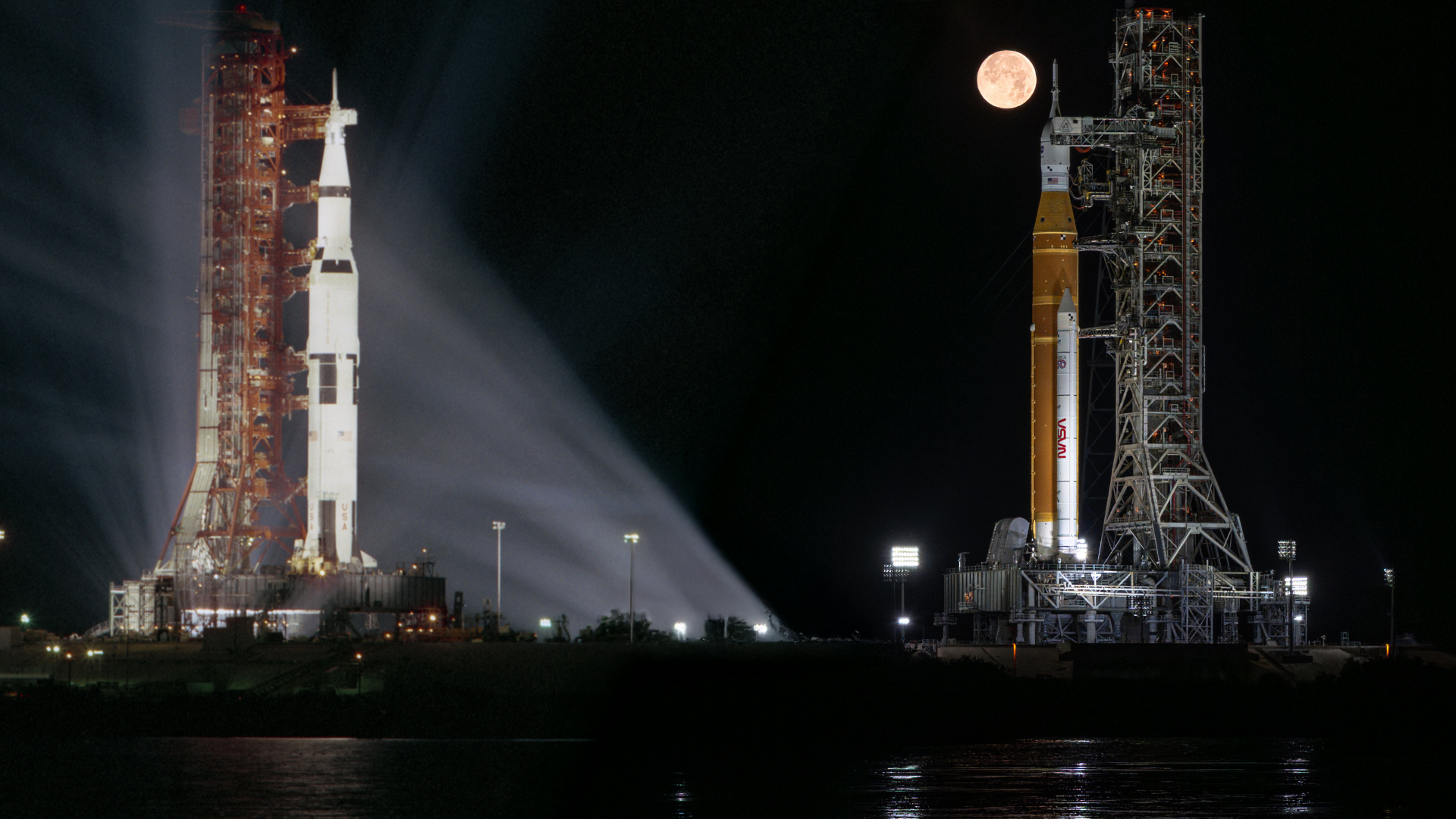
About 3 million kilograms, or around 6 & 1/2 million pounds - that’s how much mass rests on the launch pad at LC-39A on the morning of December 21st, 1968. The crew of Apollo VIII, Commander Frank Borman, Command Module Pilot Jim Lovell, and Lunar Module Pilot Bill Anders wait, acutely aware of the countdown in the moments before launch, inside the command module designated CSM-103. In 1968, NASA decided that it was to remain without a nickname. Rumor has it that the name they might have chosen would have to wait a few more months, for a much grander expedition that would culminate with a human presence on the lunar surface. After spending 21 days in quarantine only to be let out long enough to then be locked in a capsule, and despite shifts in the Apollo program as a whole, Apollo VIII launched on time, early Saturday morning.
About 3 days after launch, the crew were preparing for Lunar Orbit Insertion. After dipping down as low as 110 km, or about 60 miles above the lunar surface, and making 10 orbits at a 12 degree inclination, they headed back home for a leisurely cruise and eventual splashdown southwest of Hawaii on December 27th. Unfortunately the splashdown wasn't so leisurely, after the capsule was dragged and turned upside down by the parachutes and uncooperative ocean currents.
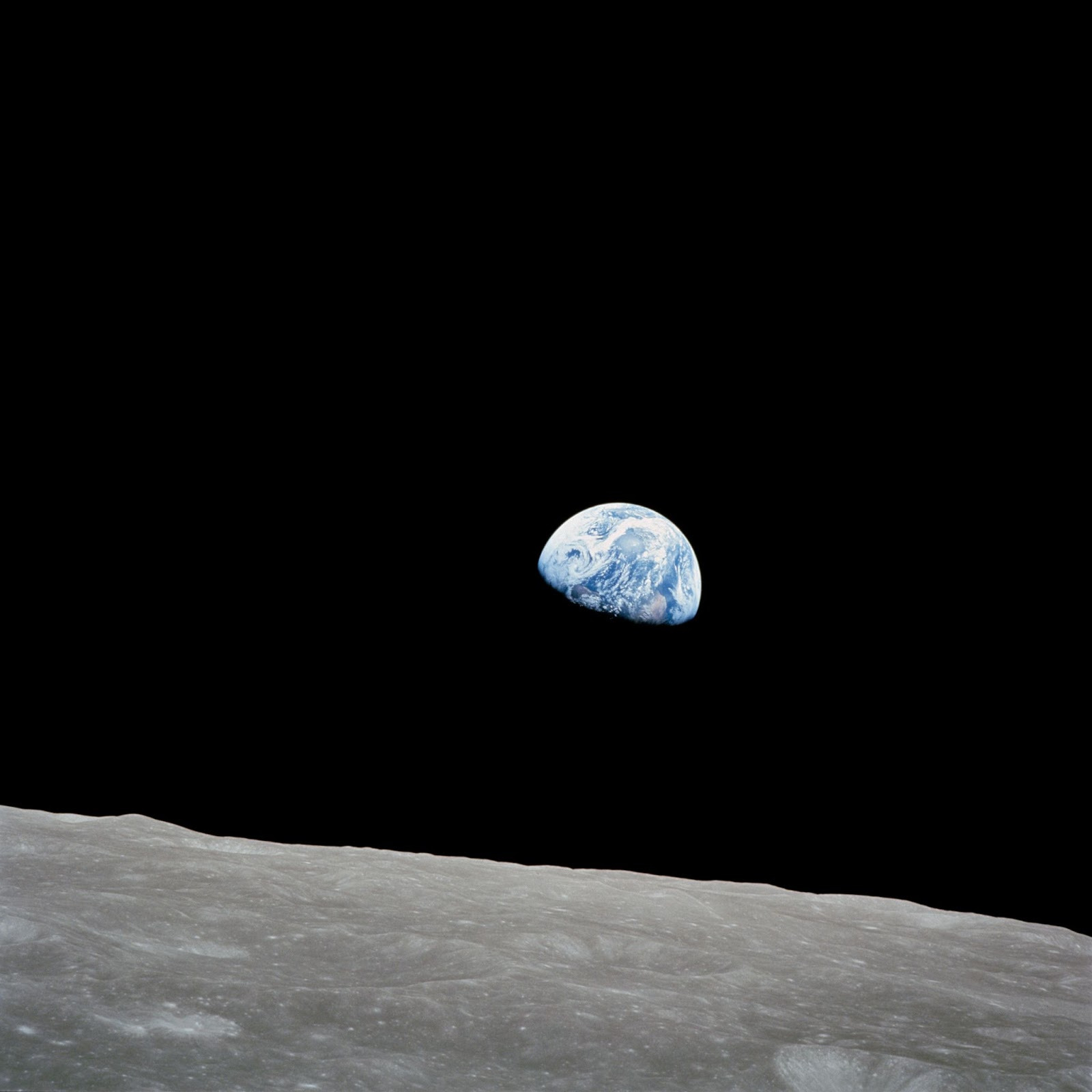
The mission had given mankind a new perspective, not just with respect to our place in the solar system, or to the universe, but among ourselves. The "Overview Effect" can be described as the perspective and introspect a person gains when they see our treasured Earth from so far away that they feel both apart from it, and at the same time intrinsically and inexorably linked to everything they have ever known. The astronauts of the Apollo 8 mission, although they did not land on and explore the lunar surface, still brought back something equally as precious as the regolith that future missions would bring back: Perspective. The words they spoke and the photographs they took from over a quarter of a million miles away would inspire future generations (and eventually turn into desktop and social media backgrounds everywhere).
Nearly 60 years after the Apollo 8 mission took place, another crew of astronauts is now preparing to visit our Moon once again. Fittingly, as Apollo and Artemis are twins from Greek mythology, the Apollo 8 and Artemis II missions, both the first of their program to send humans to the moon, have this and many other similarities, but also some significant differences.
Leading up to the launch and the moment when the countdown clock reaches zero, there are several important events that have to take place. Years, months and days ahead of launch, there's design, funding, testing, assembly, more testing, rehearsing... an extensive list for a grand endeavour. Wet dress rehearsal is, for all intents and purposes, the most significant milestone. The crews of the Apollo missions would have gone through a very similar list of milestones, and by now, sending humans to space, or at least low Earth orbit, seems like something we’ve gotten pretty good at. So after wet dress rehearsal what's left, aside from lighting the candle?
Astronauts routinely participate in expeditions aboard the ISS for months at a time, setting and breaking endurance records of every kind like it's nobody's business. Apollo 8 was a 6 day mission. Artemis II will be a 10 day mission to the moon and back. The crew never leaves the capsule and there'll be a hero's welcome upon arrival back home. The SLS for Artemis II sits on the pad right now, just waiting for fuel and crew. So once wet dress rehearsal is complete, let's stuff some astronauts inside and get going, right?
Maybe not so much...
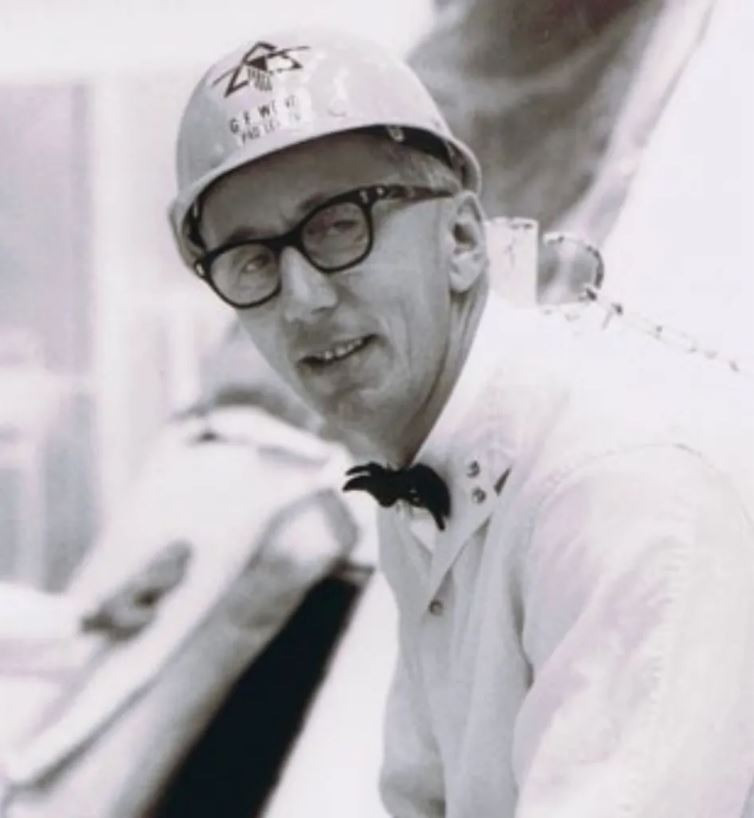
Facilities, instruments and technology aboard the ISS can handle a variety of illnesses and conditions humans might be subject to in low Earth orbit (as well as providing conveniences you may not appreciate until you're locked in a can). Unfortunately, as we just observed with the SpaceX Crew 11 team, no matter how well you plan, even aboard the ISS, there's still a chance that conditions can arise and force a change in plans. When you're on the ISS in low earth orbit, you have a dedicated means of departure, or escape in case of an emergency. When you're half way to the moon and headed in the wrong direction, as we learned from Apollo 13, and as NASA legends like Pad Leader Günter F. Wendt would agree, the best thing you can do to prepare is to drill, and drill, and drill again. And when you're done drilling, you drill some more.
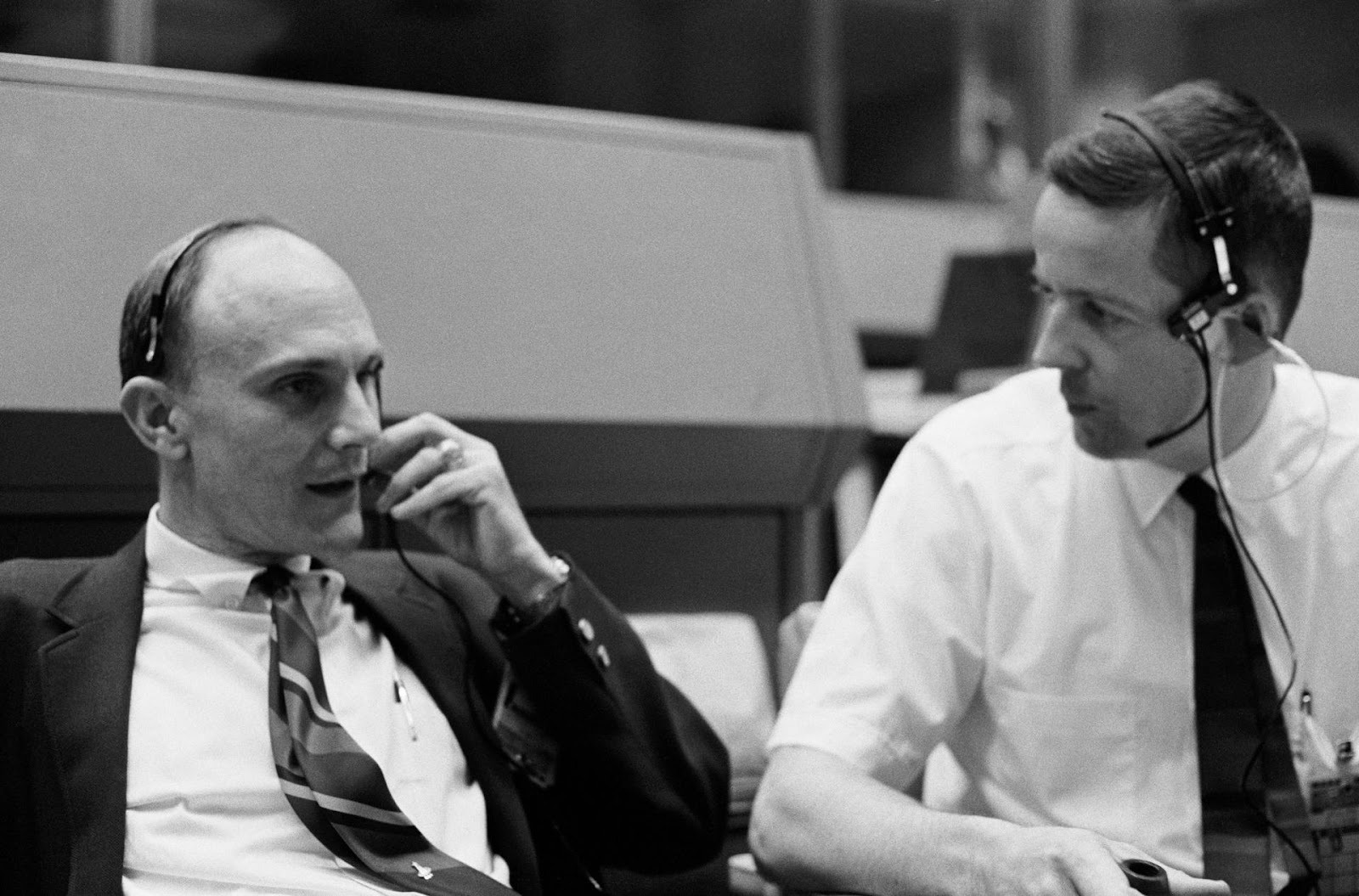
And when you've done everything you can do, and know the mission inside and out, Mother Nature still has the upper hand. Backup crews exist so that you can replace individual crew members (as with Apollo 13), or even the entire crew ahead of launch, should circumstances require. Everything is well planned, rehearsed and reasonably manageable ahead of launch, but after launch? That's a different story. Ahead of launch, we focus on what can be reasonably managed, and what possible scenarios we can prepare for. In this context, a simple illness like the common cold or the flu, or something more severe, like a possible case of the measles as was feared to be the case with Apollo 13 astronaut Ken Mattingly, isn’t just an inconvenience like it might be on Earth. On an undertaking of this magnitude, it could jeopardize the entire mission, and even worse, the safety of the crew.
To mitigate manageable risks to the mission, we place the astronauts of Artemis II in quarantine. A "health stabilization program" designed to maintain health, boost morale, and keep the crew from coming into contact with anything that might jeopardize their ability to perform at 100% for the duration of the mission. Fortunately, while in quarantine, they'll have all the conveniences that modern technology can afford, as well as a variety of food choices to select from, including chocolate pudding cake, chicken curry, beef jerky and even some comfort or "specialty" foods, like Canadian cookies or cereal with maple syrup (which may be at the request of a specific crew member).
Speaking of the crew, one of the notable differences between the Apollo 8 and Artemis II missions is the size of the crew. Where the Apollo missions (and capsule size) limited each mission to a crew of 3, the larger Orion capsule and mission plans for Artemis II and beyond accommodate a crew of 4, for around 4 days longer than the Apollo 8 mission.
The Artemis II command module also won't be going anywhere near as close to the lunar surface as Apollo 8. A free return trajectory will take Artemis II to the far side of the moon, between 6.5 and 9.5 thousand km (4 to 6 thousand miles) above the surface. This also happens to be the farthest mankind will have ever traveled from our home world, and this trajectory will send the crew straight back to Earth without making a single, full, closed orbit of the moon. In further contrast, where NASA balked at the idea of assigning a name to the Apollo 8 capsule, the Artemis II crew members proudly christened their capsule "Integrity" on September 24, 2025, in honor of the of the thousands of people across the world and over 300,000 components that came together to ensure the success of the mission.

So, with sights set on the moon and determined hearts on course for the journey ahead, Artemis II commander Reid Wiseman, Pilot Victor Glover, Mission Specialist Christina Koch, and Mission Specialist Jeremy Hansen from the Canadian Space Agency, on Friday, January 23rd 2026, entered into quarantine.
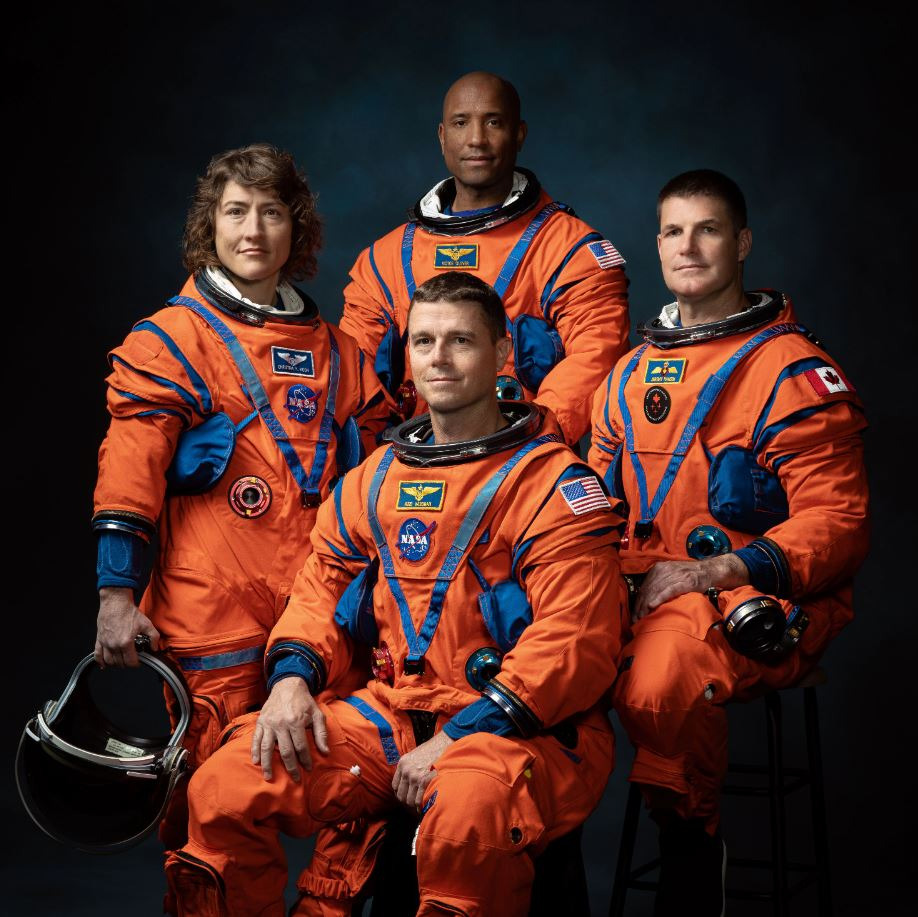
Would they leave quarantine on schedule and launch on time just like Apollo 8? Unfortunately, no. After encountering issues during the wet dress rehearsal, NASA has pushed the launch window back to no earlier than March 6th. Well... maybe there are more differences between Apollo 8 and Artemis II than there are similarities.
The Astronauts of Apollo 8 described the moon as a vast, lonely, forbidding expanse of nothing, and the Earth as a grand oasis, while also taking what can be argued as the most iconic photograph of the entire Apollo era. Perhaps in line with other comparisons and contrasts between these two missions, we might now be privileged to a different perspective, with different eyes and different heroes, perched on the shoulders of the heroes who came before them and ready to inspire us for a new era of exploration and opportunity. Where the explorers of the past once considered the Earth to be a grand oasis shining in the infinite void, from the perspective of a desolate place, perhaps we can instead see that both the Earth and the Moon, like Apollo and Artemis, aren’t apart from one other, but inextricably linked to each other, and we can make the void a little less infinite one mission at a time.
0 Comments